
Looking for a Homeschool Robotics & Engineering Curriculum? Why Home Hacker Camp Caught My Attention
Updated: Aug 16

If you've ever searched for a quality robotics or engineering curriculum for your homeschool student, you probably know how overwhelming it can be. There are countless YouTube videos, random project kits, and coding websites—but very few provide a structured path that helps students to develop real engineering skills.
Recently, I came across Home Hacker Camp, and I was genuinely impressed with what they offer. Visit Home Hacker Camp.
As someone who loves 3D printing and wants to encourage more young people to explore engineering, I think this is a resource many homeschool families should know about.
(Article contains affiliate links. We may receive a small part of your purchase at no expense to you.)
More Than Just Coding
One thing that stood out to me is that Home Hacker Camp doesn't simply teach students how to write code on a screen. Their courses combine hardware and software so students can see their programming come to life through robots they build themselves. Students learn through hands-on projects involving robotics, programming, sensors, troubleshooting, and engineering challenges rather than simply watching videos.
For many students, that's the difference between learning about technology and actually becoming confident creators.
A Clear Learning Path
Instead of offering a single robotics class, Home Hacker Camp has multiple levels that allow students to continue growing. See the Home Hacker Camp Class schedule here.
The progression includes:
Level 1: Introduction to robotics, Scratch programming, robot assembly, sensors, and programming fundamentals.
Level 2: More advanced robotics, obstacle avoidance, sensor programming, and an introduction to Python.
Level 3: Electronics, soldering, Arduino projects, text-based programming, and more advanced engineering concepts.
I especially appreciate that students continue building on previous skills instead of starting over with every new course.
Hands-On Learning
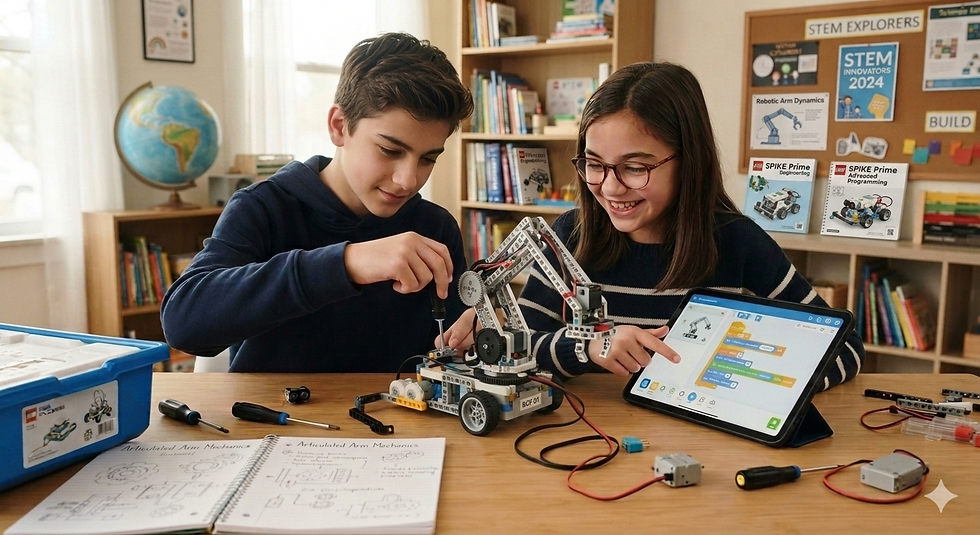
As homeschool parents, we often hear the phrase "hands-on learning," but not every curriculum truly delivers.
What I like about Home Hacker Camp is that students are actually building robots, writing programs, testing ideas, making mistakes, and solving problems. Those are real engineering skills that simply can't be learned from worksheets alone.
Even better, students continue using the robot they receive as they advance through later levels, giving them opportunities to experiment long after the lessons are complete.
Flexible for Busy Homeschool Families

Another feature that caught my attention is the flexibility.
Families can choose from:
Self-paced online courses
Live instructor-led online classes
In-person classes (where available)
Summer camps
Curriculum for homeschool co-ops and groups
Whether your family prefers learning together at home or participating in live instruction, there are options that fit a variety of homeschool schedules. See the Home Hacker Co-Op curriculum here.
Pairing Robotics with 3D Printing
If your family already owns a 3D printer—or you're thinking about getting one—robotics and 3D printing make an incredible combination.
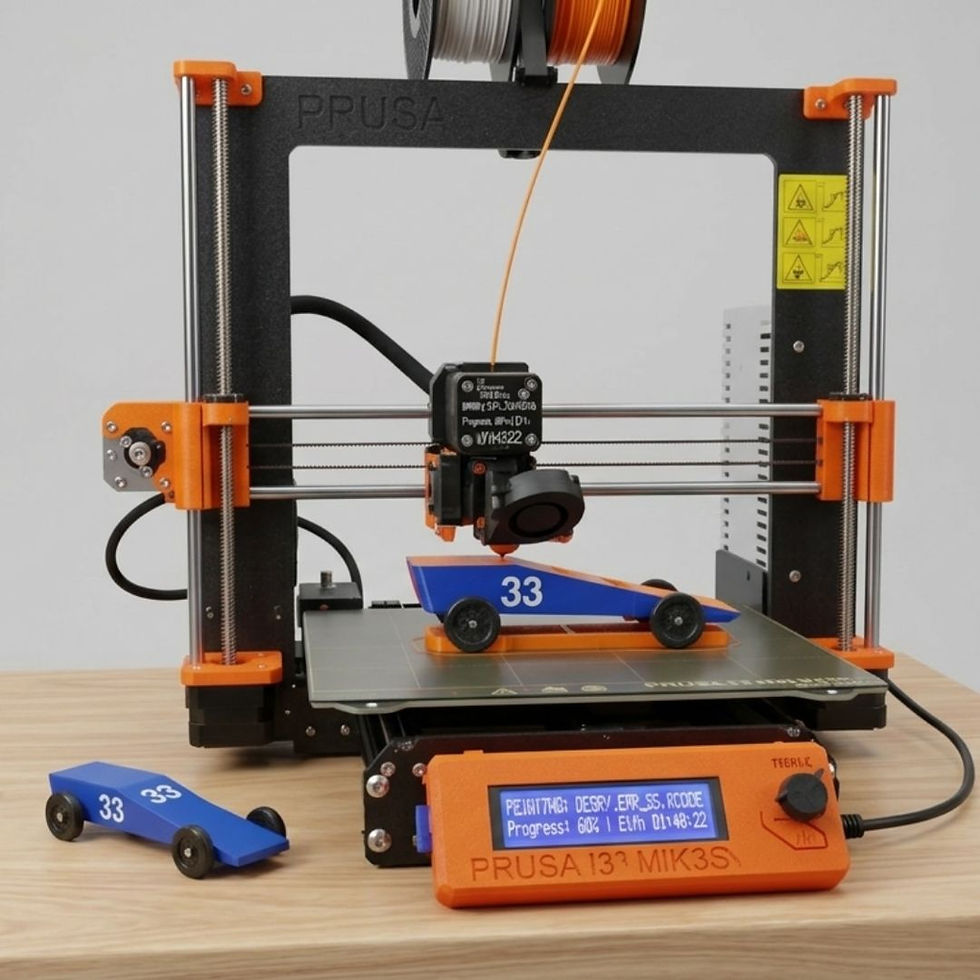
Students can design custom brackets, wheels, gears, enclosures, sensor mounts, and replacement parts for their robots. Instead of simply downloading models from the internet, they begin designing solutions to real engineering challenges.
That combination of CAD design, fabrication, electronics, and programming closely mirrors the way many professional engineering teams work today.
Shop the Supplies Used in This Article
If your student is just getting started, you'll also need a few basic tools and supplies to support their learning. The good news is that most of these items can be used for years across multiple robotics and engineering projects.
I've put together a convenient Amazon shopping list with many of the tools and supplies to help you get started. Shop our Homeschool Robotics Starter Kit recommended for grades 6-12 here.
These tools will support countless engineering projects and help students gain confidence using the same types of equipment found in maker spaces, engineering labs, and robotics clubs.
Can Home Hacker Camp Count as a High School Credit in North Carolina?

This was one of my biggest questions as I explored the program.
The good news is that North Carolina homeschool parents have considerable flexibility when creating their high school curriculum. Rather than the state approving individual homeschool courses, parents determine the curriculum their student completes and maintain the records that document the student's education.
That means a course like Home Hacker Camp can absolutely become part of a student's high school transcript when it is incorporated into a well-planned course of study.
For example, a parent might award:
Honors Engineering Design & Robotics – 1.0 High School Credit
Robotics & Embedded Programming – 0.5 High School Credit
Engineering Capstone – 0.5 High School Credit
The exact course title is up to the homeschool administrator.
To make the course more rigorous, consider expanding beyond the Home Hacker Camp lessons by having your student:
Complete every lesson and project.
Keep a detailed engineering notebook.
Design original parts using CAD software.
3D print custom robot components.
Modify or improve the provided programming.
Build a final capstone engineering project.
Present their work through a video or slideshow.
Write a final engineering report documenting the design process.
Log approximately 120–150 hours of work throughout the school year.
These additions help demonstrate honors-level work while giving your student an impressive engineering portfolio.
Building a Portfolio Colleges Will Notice

If your teen is interested in engineering, robotics, computer science, or other STEM careers, encourage them to document their work throughout high school.
A strong engineering portfolio might include:
CAD designs
STL files
Photos of each project
Videos demonstrating working robots
Programming code
Engineering notebook pages
Test results
Design revisions
Final presentations
Colleges often appreciate seeing the engineering process just as much as the finished project.
What If You Don't Live in North Carolina?
Every state has its own homeschool laws and graduation requirements.
Fortunately, finding reliable information is usually straightforward.
Start by visiting your state's official homeschool office or Department of Education website. Search for phrases such as:
"[Your State] homeschool high school requirements"
"[Your State] homeschool transcript requirements"
"[Your State] homeschool graduation requirements"
"[Your State] homeschool credits"
Many states also have statewide homeschool organizations that publish easy-to-understand guides explaining graduation requirements, transcript preparation, and recordkeeping.
Whenever possible, rely on official state resources or respected statewide homeschool organizations instead of random websites or social media discussions.
If you're ever unsure, don't hesitate to contact your state's homeschool office or organization for clarification.
Final Thoughts
There are plenty of robotics kits on the market, but what impressed me about Home Hacker Camp is that it offers a structured pathway that encourages students to think like engineers—not just follow instructions.
Whether your child dreams of becoming an engineer, programmer, inventor, or simply enjoys building things, this looks like a program well worth exploring.
Combined with thoughtful recordkeeping, additional engineering projects, and a well-documented portfolio, programs like this can become a meaningful part of a homeschool high school education.
Disclaimer: I am not a homeschool attorney or educational advisor, and homeschool laws can change over time. The information above is intended as a helpful starting point based on my understanding of current homeschool practices. Always verify current requirements with your state's official homeschool office or Department of Education before making decisions about graduation credits or transcripts.
If your student incorporates any 3D printed parts into their robotics or engineering projects, I'd love to see what they create! Share photos of their builds in our ENC3D Exchange Facebook community or tag us on Instagram @ENC3DNC. Your student's project might inspire another young engineer to start building something amazing!
Live in Onslow County North Carolina? ENC3D stocks a growing selection of PLA, PETG, TPU, nozzles, storage containers, and other 3D printing supplies available for local pickup in Jacksonville near Camp Lejeune. If you're just getting started, we're always happy to help you choose the right materials for your projects.

Comments